
Torque Controlled Tools for Precise Fastening
Torque-controlled tools apply a specific torque to a fastener, like a bolt or screw, and then stop or signal when that torque is reached.
Torque control is crucial for ensuring consistent and reliable fastening, especially in applications where over-tightening can cause damage or failure.
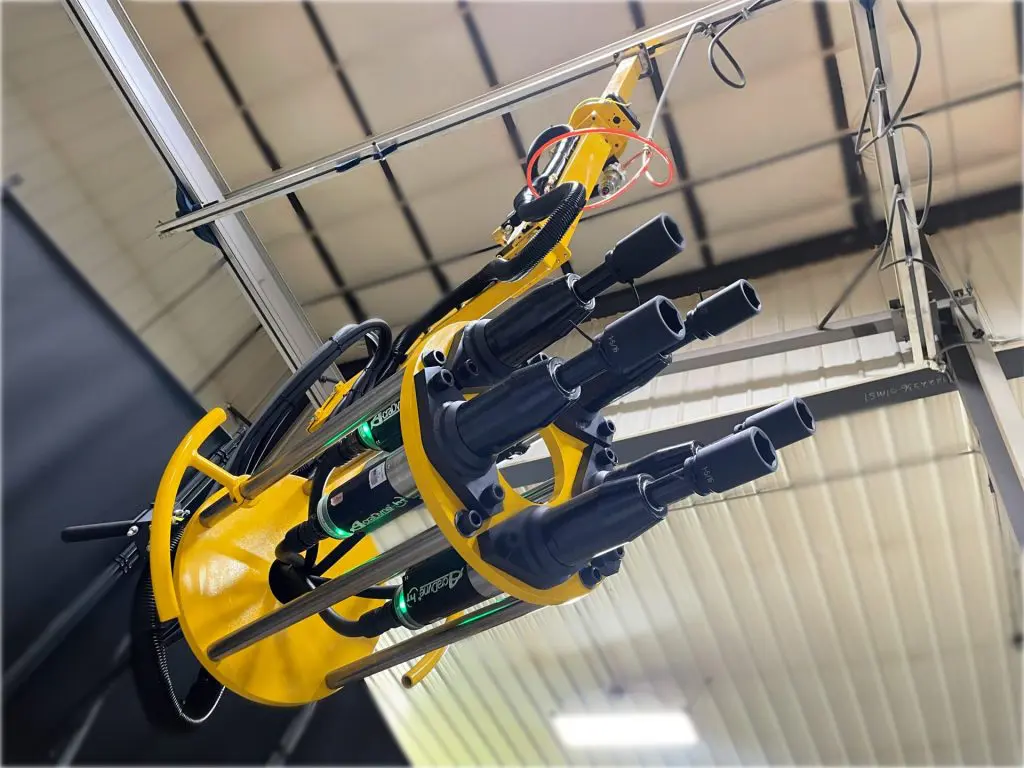
Examples of torque-controlled tools include electric screwdrivers, pulse tools, and hydraulic torque wrenches.
Torque-controlled tools may be either transducerized or non-transducerized, with each type having its own advantages.
Torque multipliers amplify torque, making it easier to loosen or tighten fasteners.
Benefits of Torque Controlled Tools over Non-Torque-Controlled
Precise tightening: Ensures consistent clamp force and joint integrity.
Error prevention: Reduces the risk of damaged fasteners or components due to over-tightening.
Traceability: Some torque-controlled tools record and log tightening data for quality control.
Ergonomics: Can be designed to reduce operator fatigue.
Not Sure Where to Start?
Our experienced engineers and sales experts are always happy to answer your questions or discuss your needs.
Call our Corporate Office or your Regional Account Manager today.